
The Rise of Digital Cockpits in Modern Vehicles
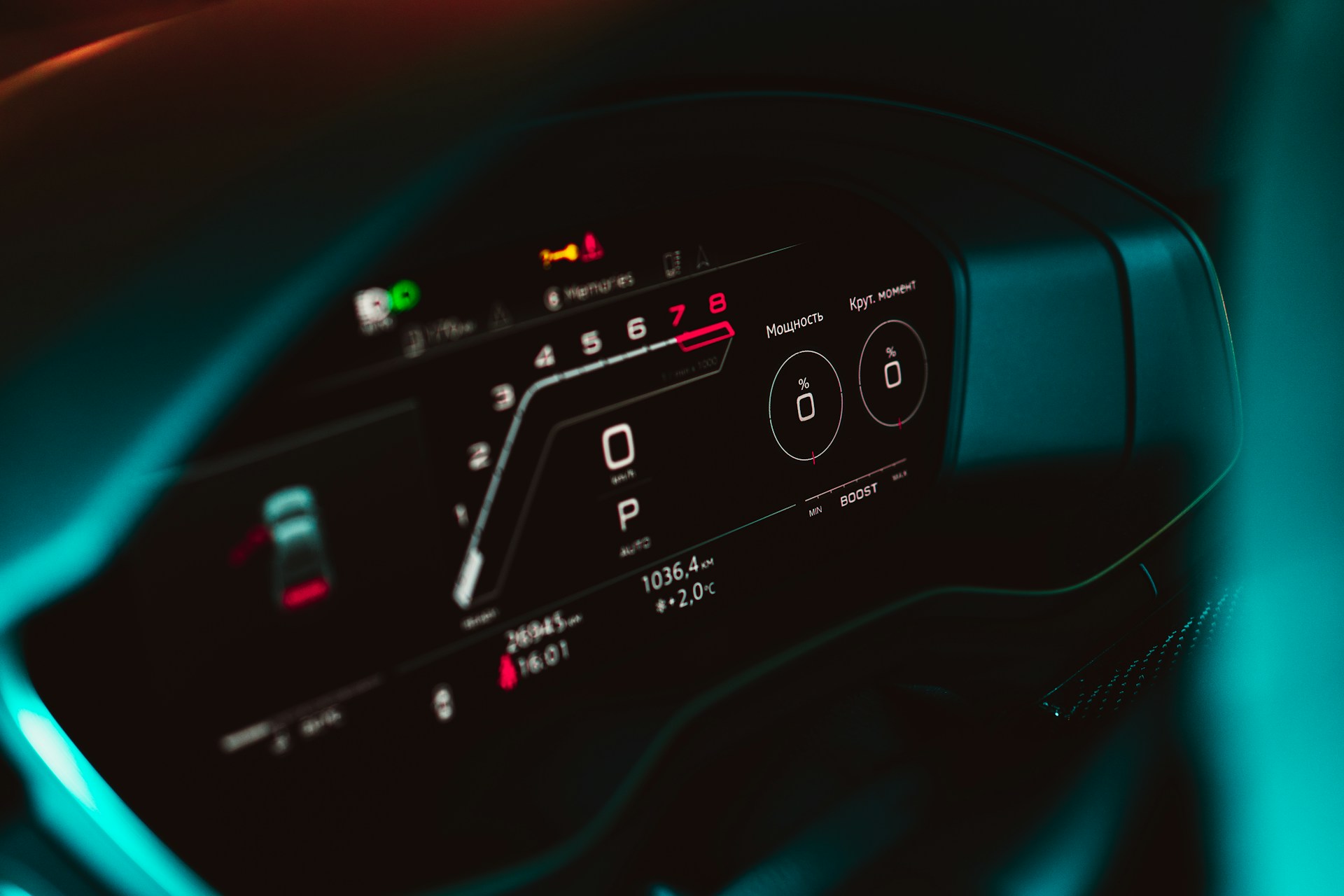
Digital technology has transformed many aspects of the automotive industry, including the way drivers interact with their vehicles. Traditional dashboards made up of mechanical gauges and physical controls are increasingly being replaced by digital cockpits that combine displays, software, and connected technologies into a unified interface. These systems present essential driving information, navigation, entertainment, and vehicle settings through customizable digital screens. As consumer expectations continue to evolve and vehicle technology becomes more advanced, digital cockpits are emerging as a defining feature of modern automobiles, offering greater flexibility, improved functionality, and a more connected driving experience.
From Analog Instruments to Digital Displays
Vehicle dashboards have undergone significant changes over the past few decades. Early automobiles relied on simple analog gauges that displayed speed, fuel levels, and engine performance through mechanical components. Modern digital cockpits replace many of these traditional instruments with high-resolution screens capable of presenting a wide range of information in real time. Drivers can often customize the layout to prioritize navigation, vehicle status, or driving assistance features, creating a more adaptable and informative interface that responds to individual preferences.

Integrating Multiple Vehicle Functions
One of the defining characteristics of a digital cockpit is its ability to combine multiple vehicle systems into a single interface. Navigation, climate controls, entertainment, communication, and vehicle diagnostics can all be accessed through connected displays. This integration reduces the need for separate control panels while making information easier to access during everyday driving. By bringing these functions together, digital cockpits create a more organized environment that simplifies interaction with increasingly sophisticated vehicle technologies.
Supporting Driver Awareness
Digital cockpits contribute to improved driver awareness by presenting information in clear and accessible formats. High-quality graphics, real-time alerts, and customizable displays allow drivers to monitor important vehicle data more efficiently. Many systems also work alongside advanced driver assistance technologies by displaying navigation guidance, safety notifications, and road information directly within the driver’s field of view. This coordinated presentation of information helps drivers remain informed while reducing unnecessary distractions.
The Role of Connectivity and Software
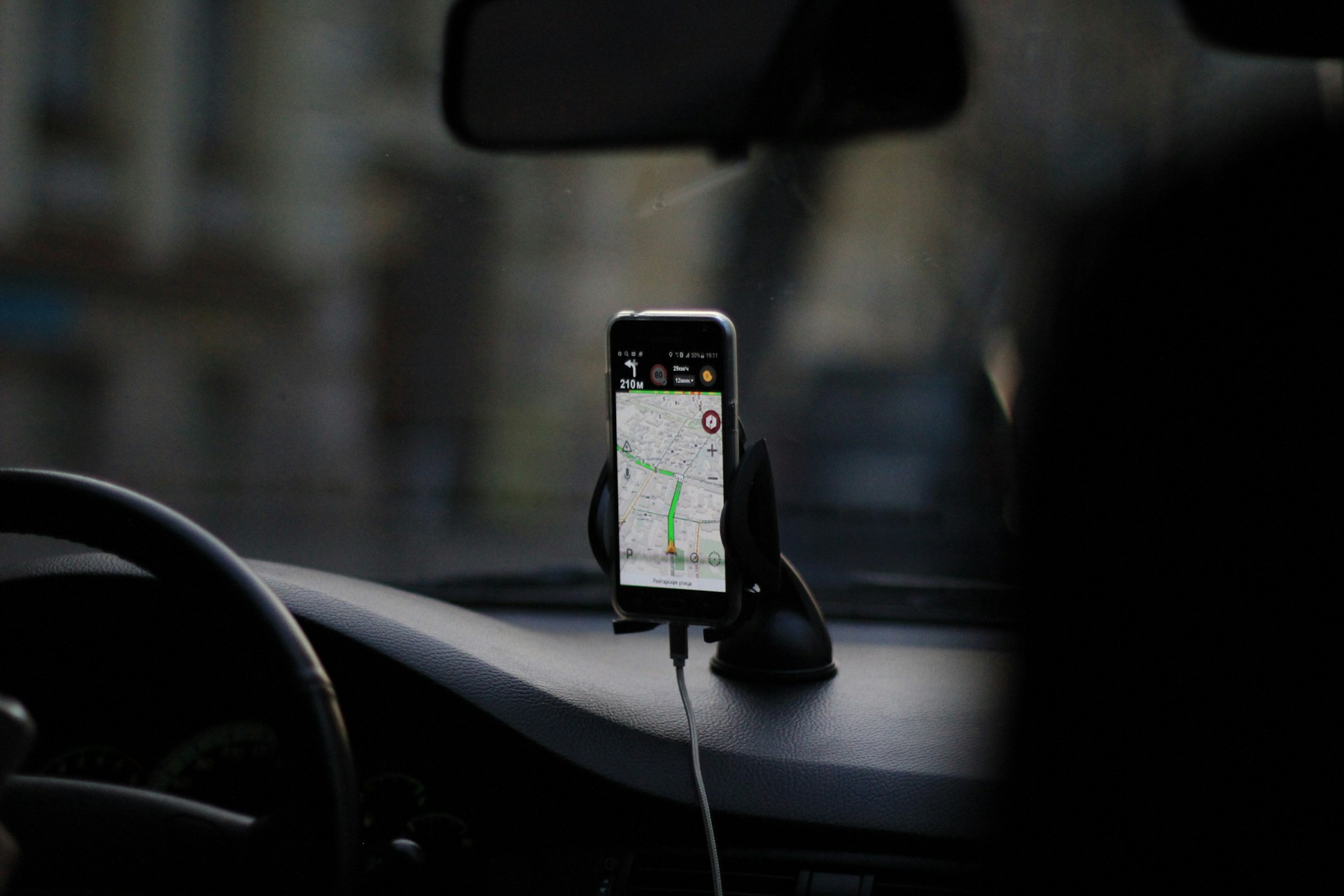
Modern digital cockpits rely heavily on software and connected technologies to expand their capabilities. Integration with smartphones, cloud-based services, and wireless updates allows vehicles to receive new features and improvements without requiring extensive hardware changes. Connected systems also support voice controls, online navigation services, and access to real-time traffic information. As software becomes a more central part of vehicle design, digital cockpits continue evolving through ongoing updates that enhance functionality and user experience.
Shaping the Future of Automotive Design
Digital cockpits are influencing not only how vehicles operate but also how they are designed. Manufacturers are creating cleaner interiors with fewer physical controls while emphasizing intuitive digital interfaces that adapt to changing technologies. Future developments may include larger integrated displays, artificial intelligence-powered assistance, and more advanced augmented reality features that provide contextual driving information. These innovations demonstrate how digital cockpits are becoming a central element of the modern driving experience and the future direction of automotive development.
The rise of digital cockpits reflects the broader transformation of the automotive industry through advances in software, connectivity, and display technology. By replacing traditional dashboards with customizable digital interfaces, modern vehicles provide drivers with improved access to information, integrated controls, and enhanced functionality. As connected technologies continue to evolve, digital cockpits are expected to become even more capable and adaptable. Their growing adoption highlights the increasing role of intelligent technology in creating safer, more efficient, and more engaging driving experiences.